
511,000 Workers with MSDs: The Hidden Cost of Manual Handling in UK Care
Musculoskeletal disorders affect over half a million UK workers. Here's why care workers are disproportionately affected — and what employers can do.
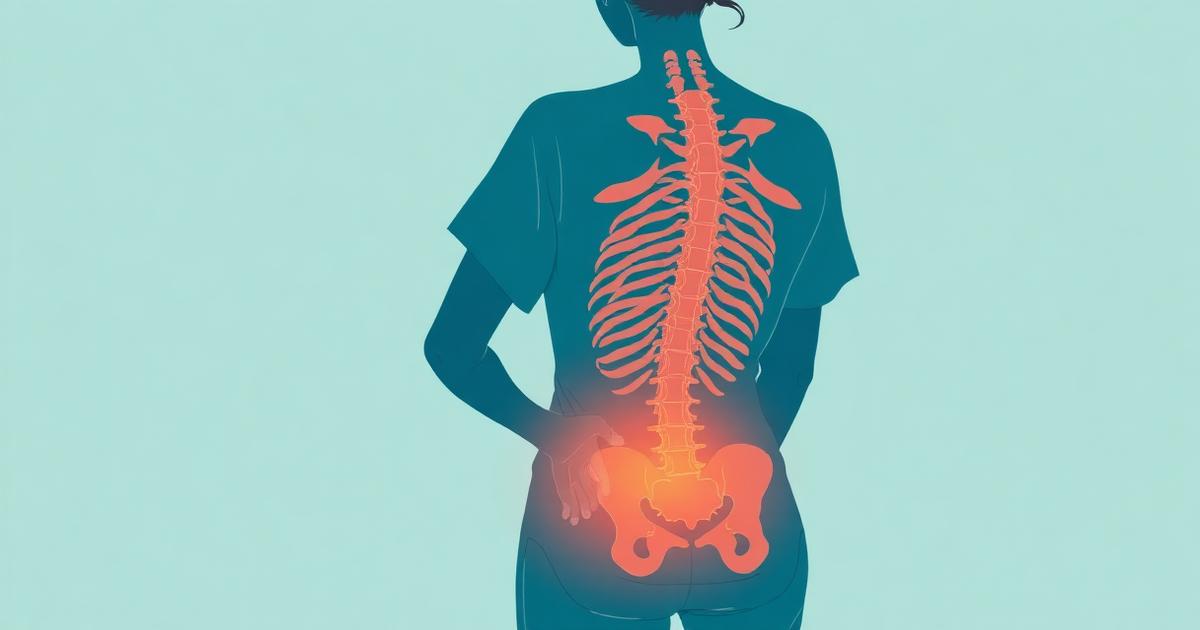
Behind every RIDDOR-reportable injury sits a much larger iceberg of work-related musculoskeletal disorders (MSDs) — back pain, shoulder injuries, repetitive strain and joint damage that build up over months and years.
The 2024/25 picture
HSE's most recent figures (2024/25) record 511,000 workers in Great Britain suffering from a work-related musculoskeletal disorder. MSDs are now one of the two largest categories of work-related ill-health, alongside stress, depression and anxiety.
Why care work is disproportionately affected
Health and social care workers carry out frequent, repetitive, high-load manual handling tasks — repositioning residents, transferring to and from hoists, making beds, and adjusting profile beds many times a day. The cumulative load is enormous.
Common contributing factors include:
- Awkward postures caused by cables, clutter or equipment in the way.
- Time pressure, leading to shortcuts on safe handling technique.
- Equipment that gets in the way instead of helping — trailing leads, loose remotes, brackets that snag.
Small environmental fixes, big cumulative effect
You can't remove the need to care for people. But you can remove the small frictions that force carers into bad postures dozens of times a day.
- Keep the floor under and around beds clear.
- Make sure cables, hoist controllers and remotes have a defined home.
- Audit profile beds regularly for trailing leads and damaged cable runs.
These are exactly the small environmental changes that Carlble was designed to make easy.
Source: HSE, "Key figures for Great Britain 2024 to 2025".