
Profiling Bed Safety and Manual Handling Regulations: A UK Guide
A professional guide to profiling bed safety in UK care settings — covering PUWER, LOLER, the Manual Handling Operations Regulations, and the practical steps that actually reduce risk on the floor.
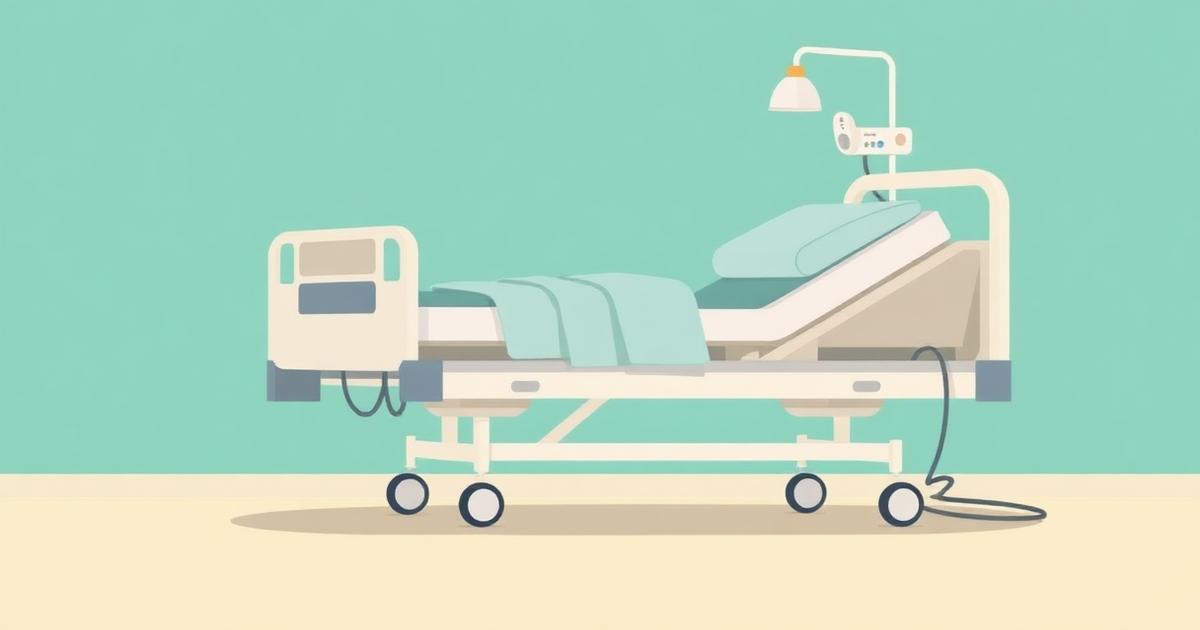
Profiling beds are now standard equipment in UK care homes, hospices and domiciliary settings. They reduce manual handling load, support resident independence, and make hoisting safer — when they are specified, maintained and used correctly. This guide, written from the perspective of a manual handling trainer, walks through the legislation that governs profile beds in the UK and the practical steps that reduce risk.
What is a profiling bed?
A profiling bed is an adjustable care bed whose mattress platform is split into independently articulating sections — typically backrest, thigh and calf — with electric height adjustment of the whole frame. The combination lets carers raise a resident to a safe working height, sit them up for meals or medication, and position them for hoist transfers without lifting.
In UK care environments, profiling beds are classed as work equipment when used by staff and, because their height and section motors raise people, they are also lifting equipment for the purposes of LOLER. That dual status is the reason multiple regulations apply at the same time.
Which legislation governs profile beds in the UK?
Four overlapping pieces of legislation set the legal baseline:
- Health and Safety at Work etc. Act 1974 — the overarching duty on employers to protect the health, safety and welfare of employees and others affected by their work.
- Manual Handling Operations Regulations 1992 (MHOR) — requires employers to avoid hazardous manual handling so far as reasonably practicable, assess what cannot be avoided, and reduce the risk to the lowest level reasonably practicable.
- Provision and Use of Work Equipment Regulations 1998 (PUWER) — work equipment must be suitable, maintained, inspected, and used only by trained people.
- Lifting Operations and Lifting Equipment Regulations 1998 (LOLER) — lifting equipment must be of adequate strength, positioned safely, and thoroughly examined at defined intervals by a competent person.
The Care Quality Commission (CQC) treats compliance with these regulations as part of the safe key question under its single assessment framework. Failures typically show up in inspection reports as concerns under Regulation 12 (safe care and treatment) of the Health and Social Care Act 2008 (Regulated Activities) Regulations 2014.
How PUWER applies to profiling beds
Under PUWER, the provider must be able to demonstrate that each profile bed is:
- Suitable for the resident and the task — weight rating, length, side rail compatibility and mattress type all matter.
- Maintained in efficient working order — documented servicing, with defects logged and the bed taken out of use until repaired.
- Inspected by a competent person at appropriate intervals.
- Used by trained staff — including bed controls, side rail use, CPR release and emergency lowering.
In practice, that means a maintenance log per bed, a clear "do not use" process, and induction plus annual refresher training for anyone who operates the bed.
How LOLER applies to profiling beds
Because the bed lifts a person, LOLER applies. The key requirement is a thorough examination at least every 6 months by a competent person, with a written report kept on file. The bed must also be:
- Of adequate strength and stability for each load.
- Positioned and installed to minimise risk — including safe routing of mains cables, hoist leads and nurse call cables.
- Marked with its safe working load.
A bed with trailing or trapped cables under the frame is a LOLER and PUWER concern at the same time: the cables can foul the lifting mechanism, be damaged by castors, or pull equipment off bedside lockers during height changes.
How MHOR applies at the bedside
MHOR puts the duty on the employer to avoid, assess and reduce hazardous manual handling. Around a profile bed, that translates to:
- Raising the bed to the carer's elbow height for any task lasting more than a few seconds.
- Using slide sheets and the bed's profiling functions instead of manual repositioning.
- Hoisting any resident who cannot reliably weight-bear.
- Keeping the under-bed space clear so hoist legs can pass under without the carer stooping, kicking cables aside, or twisting to reach a plug.
The last point is where many services quietly fall short. Cluttered, cable-strewn under-bed space forces avoidable bending and twisting on every transfer — exactly the movements MHOR exists to design out.
A practical risk-reduction checklist
Use this as a quick self-audit for any profile bed in service:
- Bed selection — weight rating, length, side rail compatibility and CPR release suitable for the resident.
- Servicing — current LOLER thorough examination on file (within 6 months) and PUWER maintenance log up to date.
- Cable management — mains lead, mattress pump, nurse call and any sensor mats secured so nothing trails on the floor or wraps around castors.
- Under-bed clearance — full, unobstructed access for hoist legs from both sides and the foot of the bed.
- Working height — staff trained and prompted to raise the bed before any care task.
- Side rails — risk-assessed per resident, with bumpers fitted where entrapment risk is identified.
- Training records — induction and annual refresher logged for every staff member who uses the bed.
- Reporting — a no-blame route for staff to flag faults, near misses and resident-specific concerns.
Where most incidents actually come from
In manual handling investigations, the recurring themes around profile beds are rarely catastrophic equipment failure. They are the small, daily frictions:
- Cables tangled in hoist legs during a transfer.
- Plugs pulled out of sockets by the bed lowering onto a lead.
- Staff working at the wrong height "just for a second" and tweaking a back.
- Side rails used as a substitute for repositioning rather than a falls intervention.
Each of these is preventable with equipment design, layout and training — not with extra paperwork.
Where Carlble fits
Carlble was designed by a manual handling trainer to remove one of those small daily hazards: the trailing, tangled cables that live under every profile bed. By keeping mains, pump and nurse call leads neatly secured to the frame, Carlble:
- Keeps under-bed space clear for hoist access (supporting MHOR risk reduction).
- Protects cables from castor damage and accidental disconnection (supporting PUWER maintenance).
- Removes a foreseeable trip and entrapment hazard around lifting equipment (supporting LOLER safe use).
It is a small intervention against a regulation backdrop that demands employers reduce risk so far as reasonably practicable — which, by definition, includes the easy wins.
Sources: HSE — Manual Handling Operations Regulations 1992 (as amended); PUWER 1998 ACOP and guidance L22; LOLER 1998 ACOP and guidance L113; CQC single assessment framework.