
What is a profiling bed?
If you work in care — or you're arranging care for a loved one — you'll hear the term "profiling bed" constantly. This guide explains what one is, how it works, who it helps, and the everyday safety issues that come with it.
The simple definition
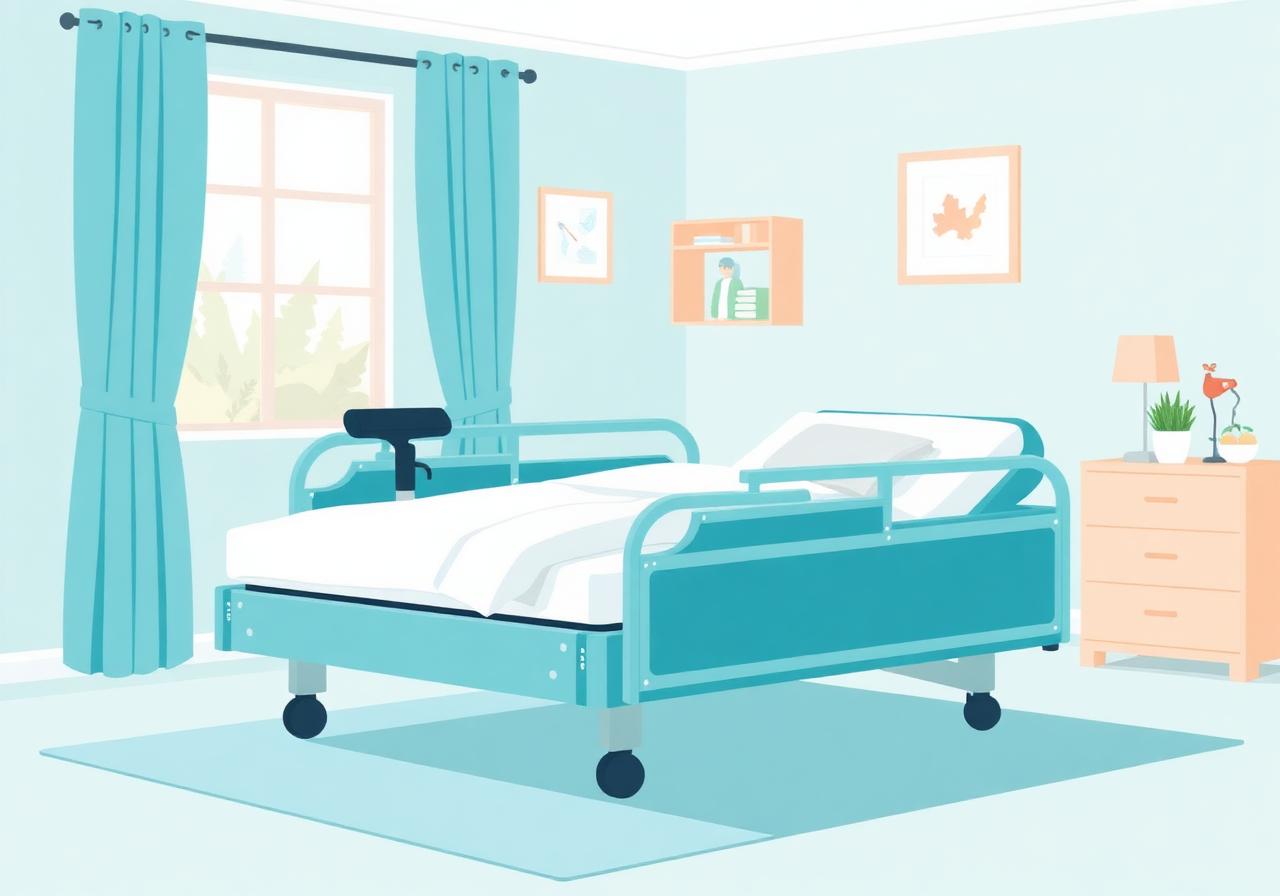
A profiling bed (sometimes called an electric care bed or adjustable care bed) is a bed whose mattress platform is split into motorised sections. Using a handheld remote, the bed can change its shape — its "profile" — raising the backrest, lifting the knees, or tilting the whole platform. Most models also raise and lower in height.
Unlike a standard domestic bed, a profiling bed is designed around two people at once: the person lying in it, and the carer working around it.
Backrest & knee break
The platform articulates so the resident can sit upright to eat, read or breathe more easily — without stacking pillows.
Height adjustment
The whole bed raises to a safe working height for carers and lowers near the floor to reduce fall injury risk.
Handset control
A wired remote lets residents or staff reposition the bed at the touch of a button, day or night.
Who uses profiling beds, and why?
Profiling beds are standard equipment in UK care homes, nursing homes, supported living and community care. They're used wherever someone spends extended time in bed or needs help changing position:
Older people and care home residents
Repositioning supports comfort, digestion, breathing and pressure area care, reducing the risk of pressure ulcers.
People with limited mobility
Height adjustment makes transfers to wheelchairs, standing aids and hoists safer and more dignified.
Care staff
Raising the bed to waist height means less bending and fewer manual handling injuries — a key duty under the Manual Handling Operations Regulations 1992.
People receiving end-of-life care
Fine positioning control helps manage pain, secretions and breathing in palliative care.
The overlooked downside
Every profiling bed has moving cables.
Because a profiling bed constantly rises, lowers and tilts, its power cable and handset lead have to move with it. In most homes those cables are simply left trailing on the floor — where they get crushed by hoist wheels, ripped from sockets, wrapped around castors, or force staff to crawl under the bed to untangle them.
It's a hidden manual handling and infection control hazard on every ward and in every bedroom — and it's exactly the problem Carlble was invented to solve. Our underbed cable management systems keep the cables managed so they move with the bed, never touching the floor.
Common questions
Profiling bed FAQs
Is a profiling bed the same as a hospital bed?
"Hospital bed" is a broad term. A profiling bed is a specific type of care bed with electrically adjustable sections and height adjustment — the kind now standard in UK care homes and community care.
Can you get a profiling bed at home?
Yes. Many people arrange profiling beds at home through occupational therapists, community equipment services or private purchase, especially after hospital discharge or for long-term conditions.
Do profiling beds need special mattresses?
Usually yes — the mattress must flex with the platform. Foam or pressure-relieving mattresses designed for profiling beds are standard.
How are profiling beds powered?
By a mains-powered motor unit under the bed, with a wired handset. That means a power cable and handset lead that move with the bed — which is why underbed cable management matters.